
Machine Challenger
Started as a passion project, but slowly rising into a fully fledged game, Machine Challenger is a new take on a combat vehicular game with multiplayer intentions.
My contribution to this project lies on the technical side, where I worked as a sole programmer driving all architectural and technical decisions. From source control setup, over the engine update migrations to gameplay programming of each segment of the game.
Key challenges I had to overcome in this project are replication, which has to handle fast-moving physics objects, adjustment of a custom physics model for vehicles, optimization of a large number of enemies (Mass/ ECS), and building modular systems for skills and attributes on top of GAS in Unreal Engine 5.
My role in this project is not just technical but also as a key member of the team (very small – two members at the moment) that drives decisions in which direction the project will go.
SKILLS NEEDED
C++
Unreal Engine 5
Gameplay programming
PROJECT TYPE
PC/Console Game
PROJECT STATUS
IN DEVELOPEMENT

Responsibilities
- Engine updates
- Develop gameplay elements.
- Maintain project source control and pipelines.
- Game decision making (game design and production).
- Splitting big work into smaller chunks.
- Working on technical research for new features.
- Technical assembly.
Technical stack
- Languages: C++ (Modern standards)
- Engine: Unreal Engine 5
- IDE & Development: Visual Studio
- Source control: SVN
- Code Debugging and Profiling: Sentry, Unreal Insight
MY ROLE ON THE PROJECT
As the sole programmer on this project, I worked on every logical part of the game, while also diving deep into technical assembly and 3D animation. While we can talk in detail about the architecture, here is a highlight of the challenges I faced.
Replication
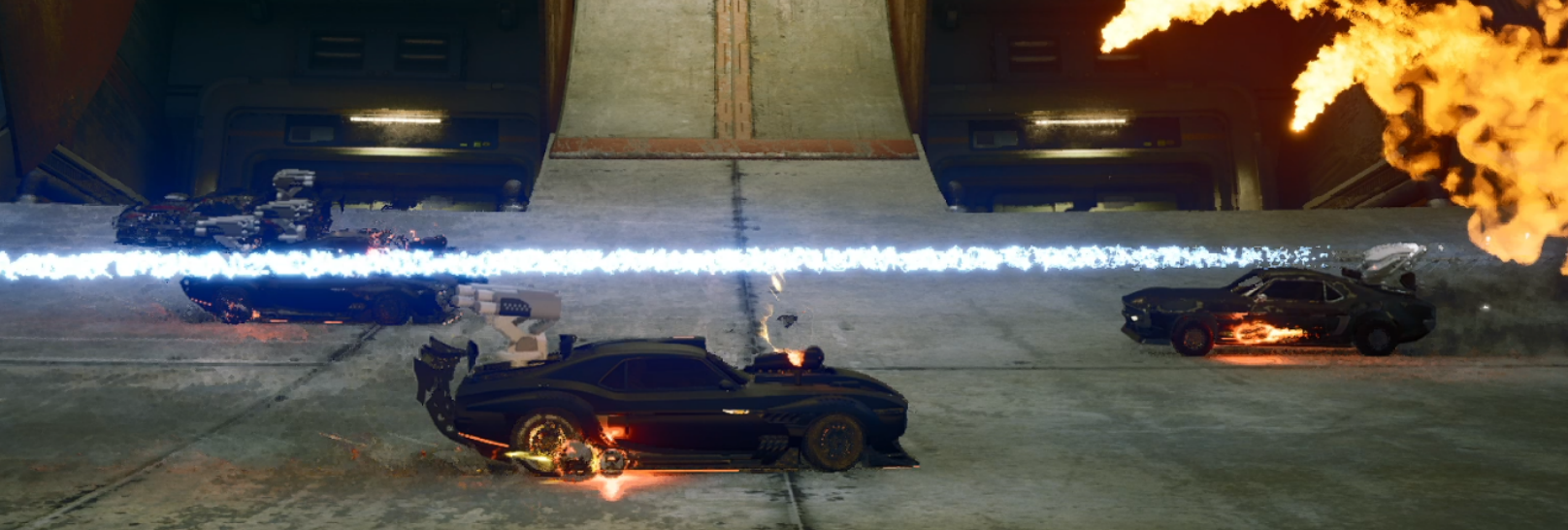
One of the core pillars for this project is the ability to play with friends, so we are designing all features to support multiplayer from the get-go. To achieve this, a lot of overhead was required to maintain a responsive and playable environment. Even with Unreal Engine 5’s built-in replication, we had major challenges with fast-moving, physics-based vehicles that need to be shot at. Replicating physics over a network is notoriously difficult and heavy on bandwidth. Furthermore, managing ECS replication for a large number of enemies added another layer of complexity, as I had to optimize the massive amount of data being transferred to ensure the game remained performant for all players.
Vehicle movement
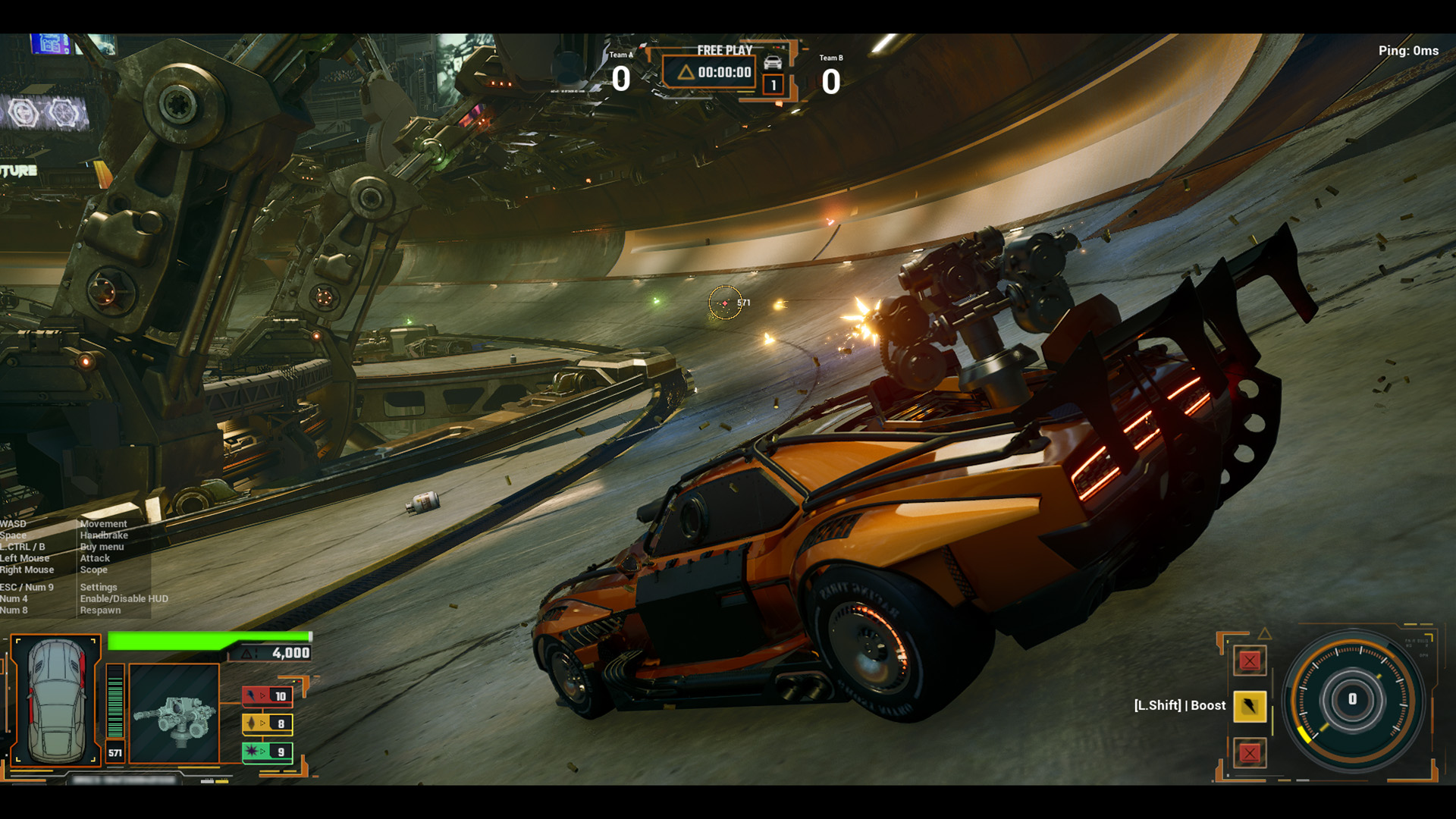
We wanted our vehicles to feel “alive” and playful rather than purely simulated, which required a highly customized movement component. I utilized a 3rd-party solution as a base, but essentially rebuilt the core logic to handle dynamic velocity calculations and real-time modularity. A major focus was ensuring that vehicles support interchangeable parts at runtime—meaning performance profiles shift instantly as components are swapped or destroyed.
To achieve a satisfying “feel,” I developed a system that scales handling based on velocity: at lower speeds, the controls are sharp and precise for tight maneuvering, but as the vehicle accelerates, the handling becomes more “floaty” and restrained. This creates a natural difficulty curve where maintaining control at high speeds becomes a skill in itself.
Vehicle assembly
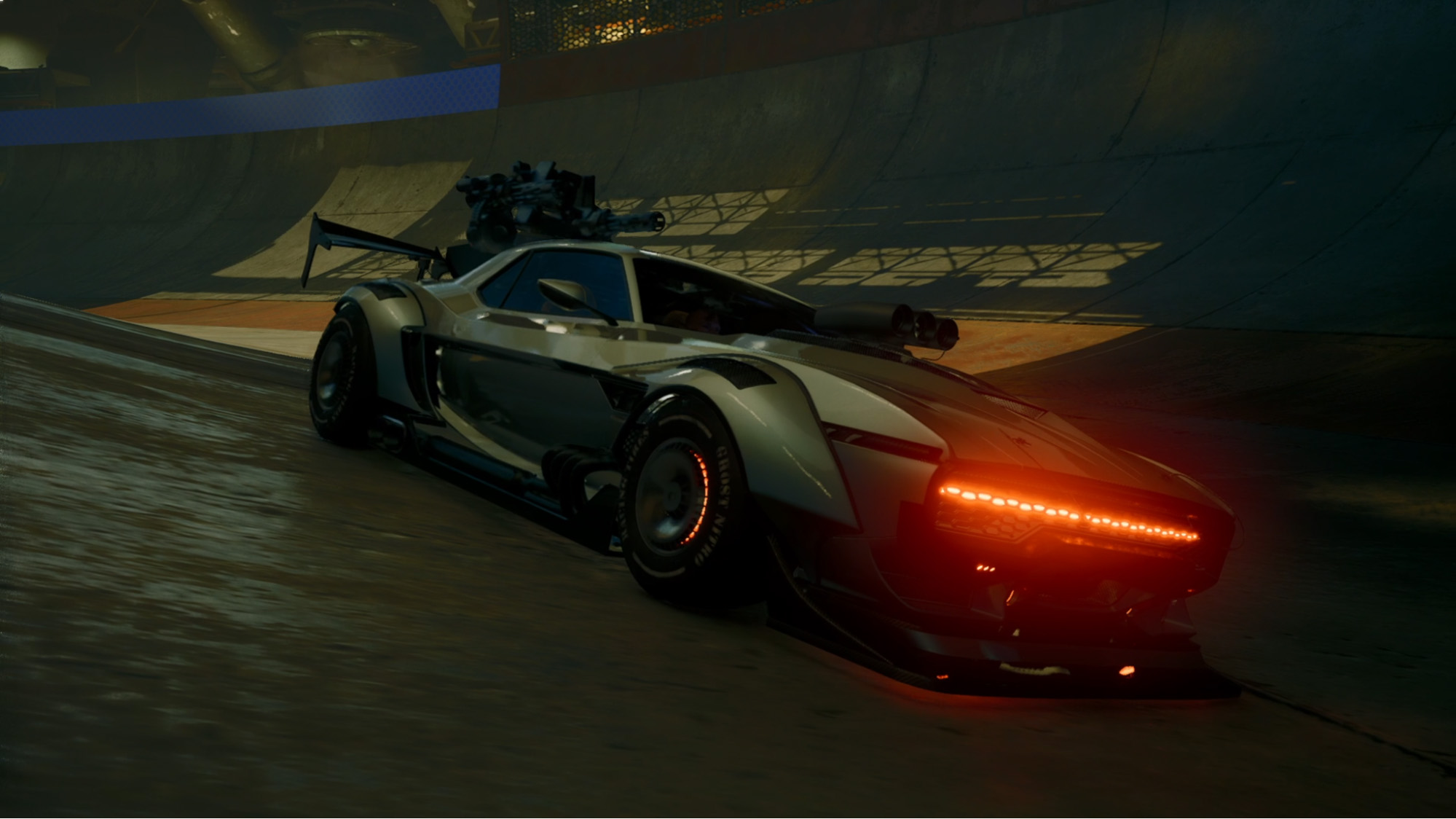
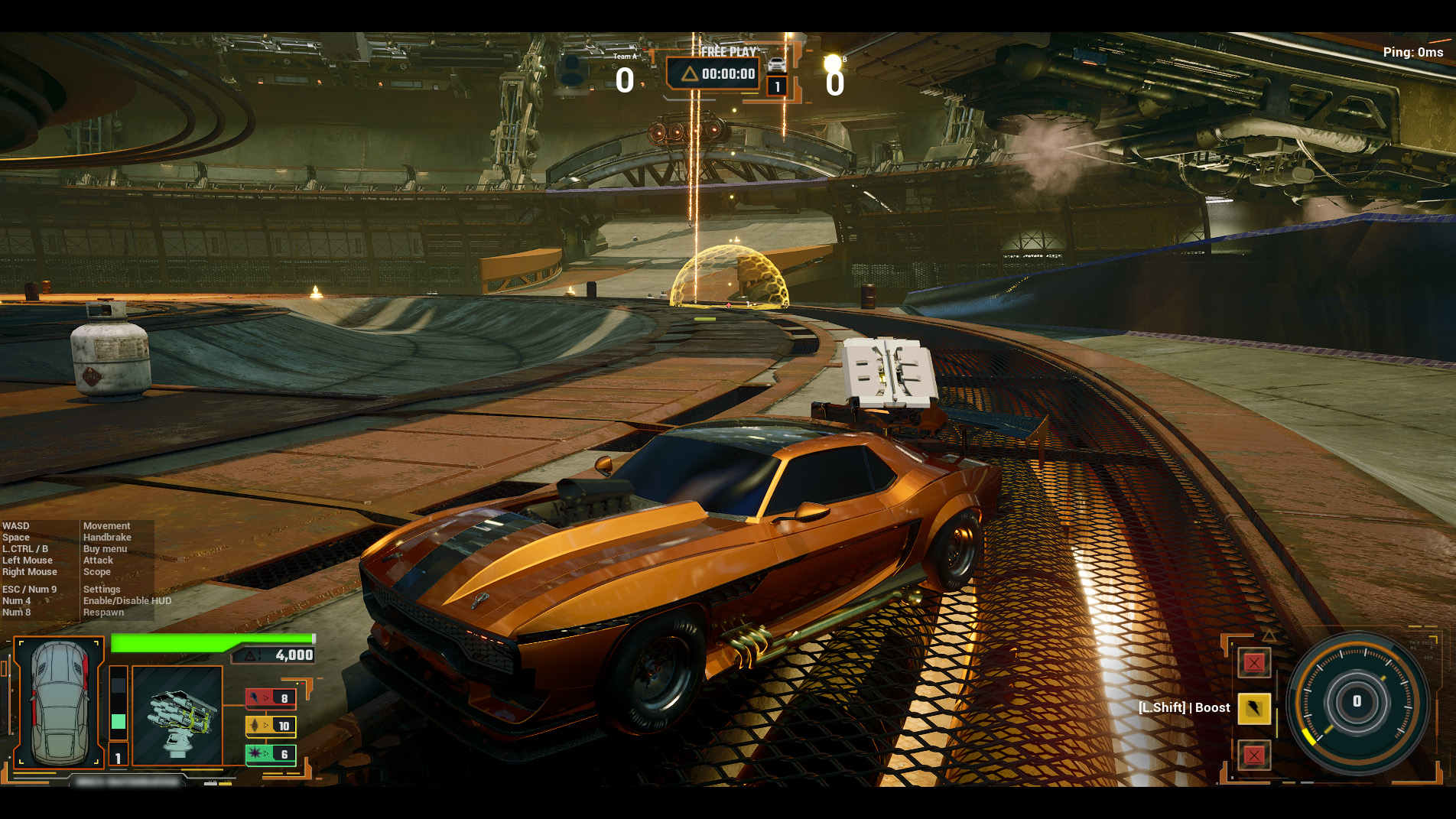
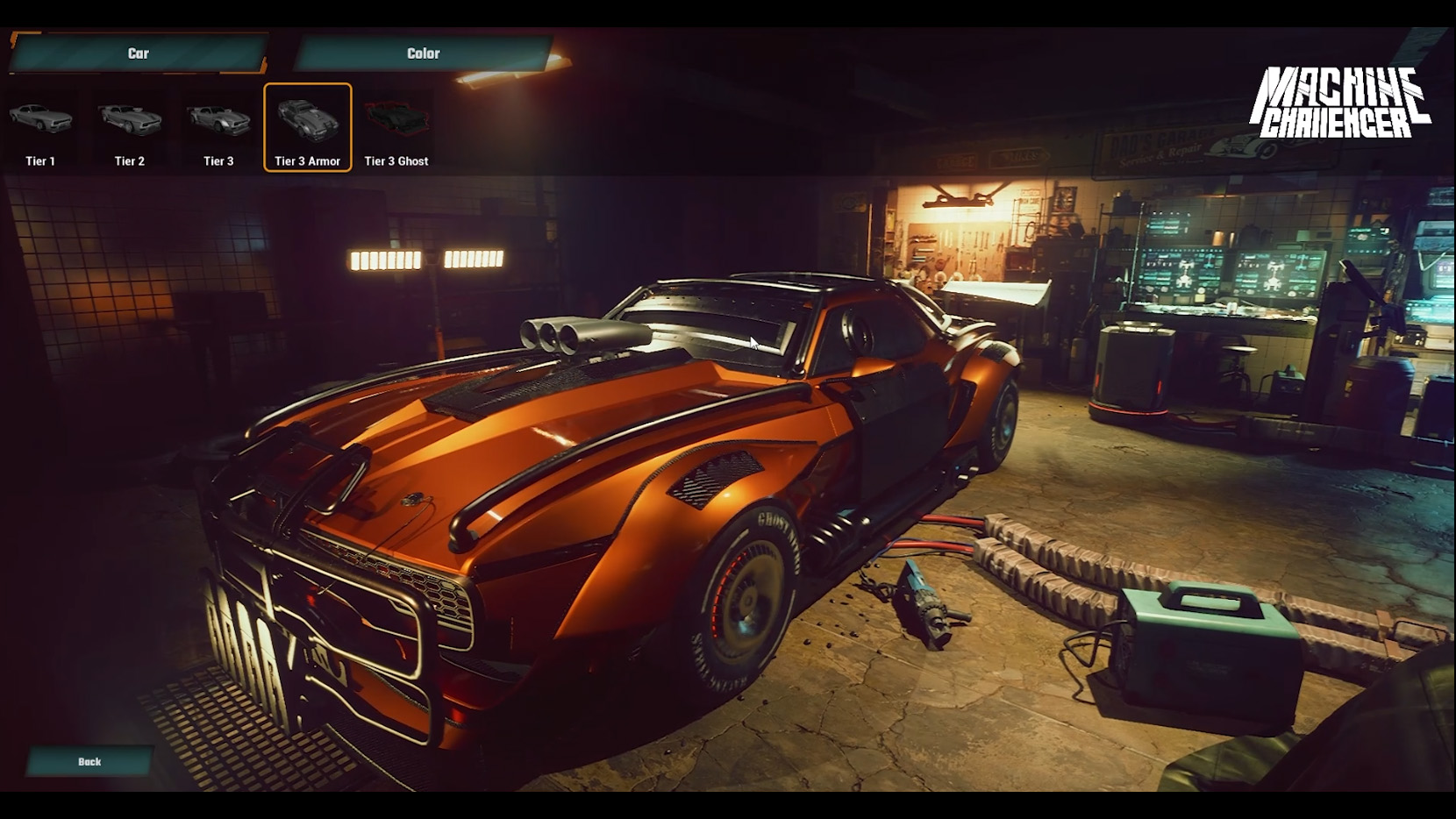
One of the game’s core aspects is the “garage” system, providing players with options to modify their vehicles according to their taste. This is not only a cosmetic environment but also a progression system that makes each vehicle stronger, faster, and better suited for harder challenges. To achieve that, I had to develop an entire system of slotting items on each chassis, managing interdependence for unique parts, and ensuring availability across different car types.
A critical part of this system was the development of a robust save system. I engineered the logic to serialize these complex configurations into a save file, ensuring that every specific choice is preserved. When a player returns to the game, the system automatically reconstructs the vehicle by restoring the last set of items onto the chassis, seamlessly bridging the gap between the customization UI and the gameplay world.
Weapons / Skills
For weapons, we leveraged the Unreal Engine GAS framework. Attributes brought weapon-specific traits, which we combine with vehicle and target traits to calculate the damage output. Each weapon has its own unique ability that the player can execute once the weapon is mounted.
A unique challenge I solved was the weapon turn rates. Our weapons are mounted on top of vehicles and must aim independently from the vehicle’s origin, but governed by their own rotation speed. I couldn’t simply snap the weapons to where the player looks; instead, I had to calculate their turn based on the aiming position to prevent single-frame snapping. This adds a tactile, heavy feel to the combat and served as a great mathematical brain teaser.
Hordes of enemies (Mass AI)
[Early development]
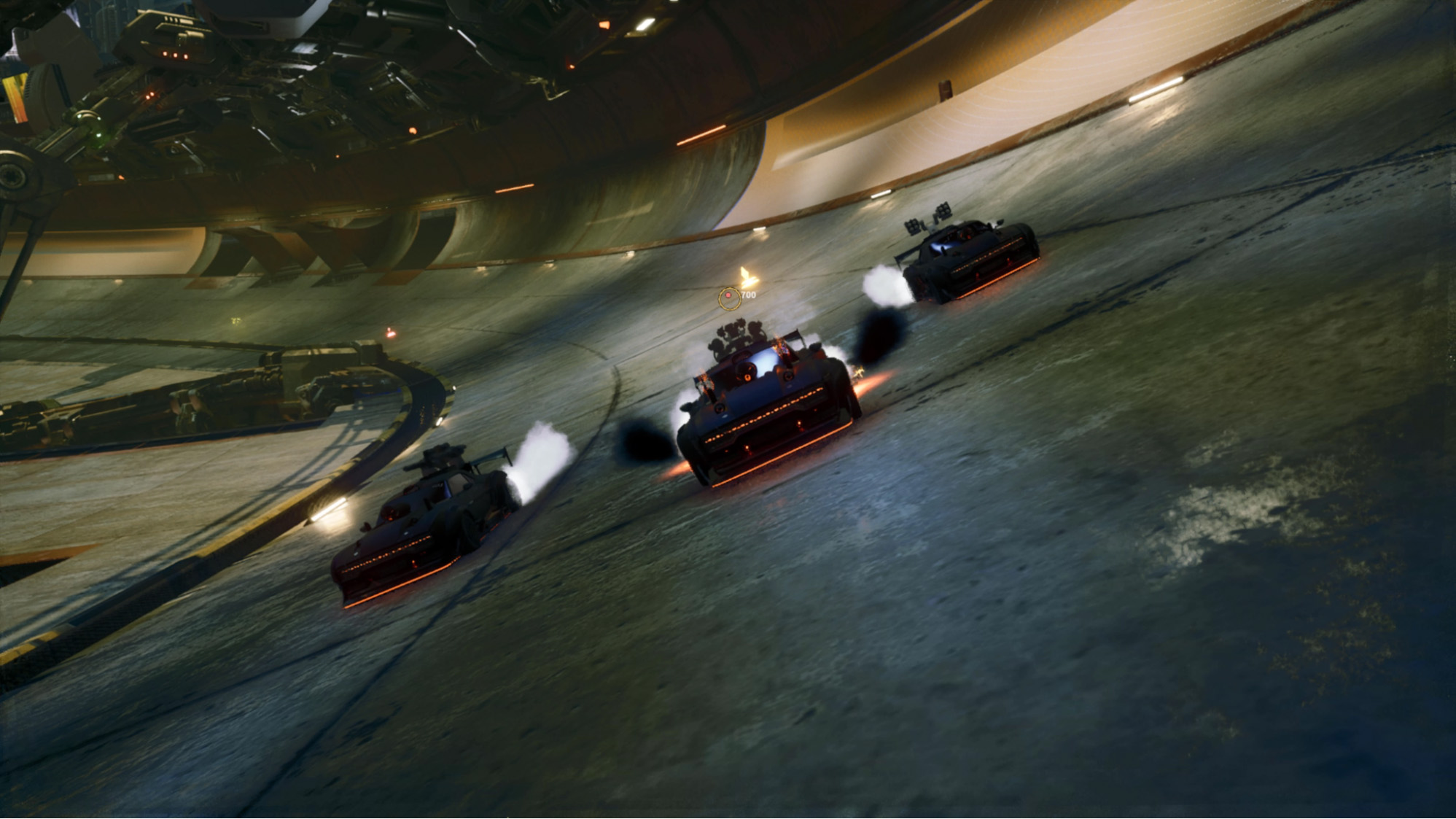
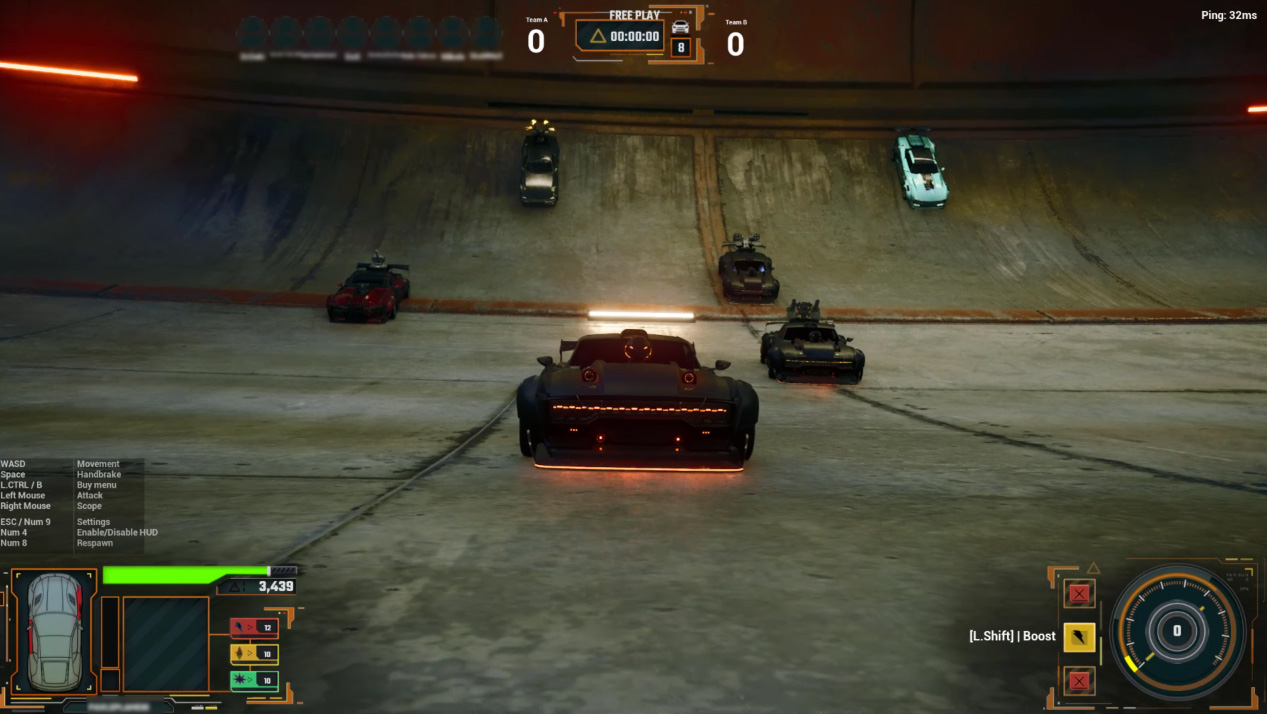
The original game mode is a PVP arena, which is straightforward, but to spice things up and manage the scope for our small team, we decided to introduce PVE Co-Op battles against hordes of enemies. To achieve a high entity count, I leveraged the Unreal Engine Mass Framework (ECS). By creating a large number of enemies this way, I drastically optimized the game’s performance and opened new horizons for what we can achieve in a large open space. This system allows us to simulate hundreds of reactive units simultaneously, shifting the game’s scale from simple skirmishes to intense, large-scale warfare.





Let’s Work Together
Tell me more about your project


